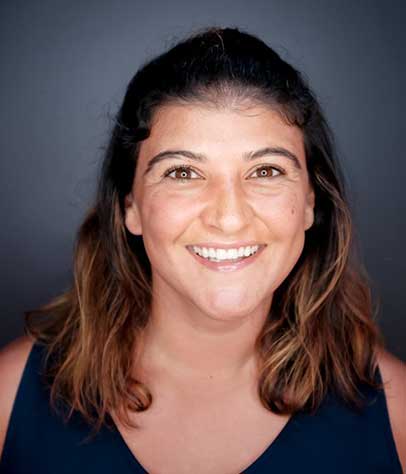

What you wear to an on camera interview is a crucial part of your first impression. When dressing for the camera, it’s important to keep a few key tips in mind to prepare for success. As a video production company in Baltimore, Early Light Media has conducted countless on-camera interviews over the years. Here’s our advice for choosing your best TV interview outfit.
1. You should be the focus — not your outfit
Don’t make a fashion statement unless you are an artist, fashion designer, or are wearing traditional attire, or something of that nature. The viewer should be focused on what you’re saying, not what you’re wearing. Avoid any clothing that is excessively bold or loud, to avoid distracting the viewer from your talking points.
2. Your clothing should fit your role in the story
Choose an outfit that matches your role in the story you are trying to tell. Are you a CEO of a Bank? You should probably wear a suit. Are you a lumberjack? You should probably wear a flannel. Are you telling a story about how your life was saved by a special procedure? Probably wear something casual that is a step above jeans and a t-shirt. The right outfit can provide a visual aid to your storytelling, subtly communicating your role and personality to the viewer.
3. Consider bringing multiple options to the shoot
You could get coffee on your tie. Maybe the colors aren’t jiving with the camera or clashing with another person. There are many reasons to have a backup or alternate option just in case. There’s a lot of time/money spent into a film, commercial, corporate video, etc… and at the very least, have a few options to ensure a smooth day.
4. Choose flattering, TV-friendly colors
Blue is one of the best colors for TV. Pastels, purples and browns are also smart choices. These colors are aesthetically pleasing to the viewer without being too bold or distracting. Green is risky, especially if there will be a green screen.
5. Be careful how you wear black
Through a camera lens, black tends to absorb much of the light around it, making details less visible. Black and very dark colors are usually okay when worn on the lower half of the body. If you must wear black near the face, you can wear a colored jacket or sweater so less black is visible. Or add a colored scarf (avoid neon colors).
6. Avoid bright whites and reds
White tends to dominate the screen, and like neon and bright colors, should be avoided. Similarly, not only is red a distracting color, it tends to look orange to the camera. A better choice: not-quite-white colors like light beige, light gray and very pale colors may work instead of white. You could also swap a red top for burgundy or maroon. In the warmer range, try coral.
7. Stick to solid colors and subtle patterns
Make sure you avoid stripes — large ones are distracting, and small ones can dance around the screen, creating rivers and waviness (moiré pattern). Herringbones, plaids, checks, and other large, bright patterns are best avoided. Any bold prints are distracting and can draw attention away from your message. Muted or subdued patterns are generally okay, but solid colors are the best choice.
8. When it comes to jewelry, less is more
Keep jewelry to a minimum, especially earrings. A necklace can add a colorful or contrasting accent, but it shouldn’t be noisy, or too flashy or reflective. Don’t wear big bracelets or large dangling earrings. Wear only one ring on each hand, and don’t wear multiple necklaces. Jewelry that is too large can rub against your microphone and create unwanted noise, interfering with the interview. If your jewelry does this, get rid of it.
9. Be pressed and wrinkle-free
Dress as if you were going to a job interview. Whatever outfit you choose, make sure your clothing has no holes, stains, or wrinkles. If your subject is outdoorsy or very casual, you should adjust what you wear accordingly. This is a good place to mention blue jeans: they should be worn sparingly, never ripped or torn, and only when appropriate to your occupation, shoot location, or subject matter. Much of the time, a nice shirt (tucked in for men) and a pair of well-fitting pants (with a belt), dark socks and decent shoes, is all you will need. You can adjust this slightly depending on your personal style.
10. Stick to appropriate, well-fitting suits and skirts
If you are wearing a suit, Make sure about 1-inch of your shirt cuff is showing, and wear over-the-calf socks in case you cross your legs. No leg skin should show. For skirts, stick to a solid color that matches your jacket. Avoid skirts and dresses that are too short unless it makes sense for you, is authentic to who you are and is appropriate for the situation.
11. Avoid t-shirts with logos
The only logo or brand you should be wearing is your own, if you have one. You should not wear t-shirts with phrases or logos, since these can appear distracting or unprofessional in a TV interview. In most cases, you shouldn’t be wearing a t-shirt at all.
12. Just do you
At the end of the day, that’s what’s most important. Do your best to limit any unnecessary distractions for the viewer, and you. You want an outfit that will make you feel comfortable and confident, so that you can focus on your talking points. Dressing for the camera is one small step in ensuring a successful TV interview. The most important one is confidence!