
When the camera starts rolling, certain interviewers have a way of unlocking people. They sit with a stranger, and within moments, deep truths emerge—words and emotions that person might never have shared before. It might seem like magic or some elusive talent, but the reality is simpler: it’s all about preparation.
If you want to master documentary interviewing, start before you ever hit record. Here are key strategies to ensure your interviews resonate deeply, every single time.
Breaking Bread Builds Rapport
Effective interviewing begins with rapport, cultivated long before the camera comes out. A former Boston Globe colleague once taught me a profound lesson with something as simple as bringing a fresh loaf of bread to interviews. It was humble, thoughtful, and incredibly effective.
You don’t have to bake, of course, but the principle stands: small gestures like a handwritten note or lunch can disarm skepticism quickly and foster genuine connection. How much effort you put in depends on the stakes of your interview—but trust me, even a modest effort can melt barriers swiftly.
Finding the Heart of the Interview
Building rapport is essential, but equally crucial is understanding the core narrative before filming. Diving into an interview without clarity often frustrates your guest, prolongs your shoot, and creates unnecessary editing headaches later.
Every minute recorded can equal ten minutes in post-production. Efficient prep means shorter, more productive interviews.
My proven prep process includes:
-
Conducting a Pre-Interview: A casual yet structured conversation, ideally recorded for later review. It helps both you and your interviewee understand what to expect, easing camera anxiety.
-
Structuring the Conversation: Use a clear narrative arc for every chat:
-
Intro: “Tell me about yourself.”
-
Backstory: “How did you get here?”
-
Current Day: “What’s happening now?”
-
Challenges: “What obstacles do you face?”
-
Resolution: “What needs to happen next?”
-
This format works universally—whether it’s a serious documentary subject or a casual conversation.
-
Crafting a Log Line: Summarize the essence of your interviewee’s story in two clear sentences. It clarifies the narrative for you and sharpens your line of questioning. For example:
“In a forgotten Arizona ghost town, caretaker Leslie Rose found unexpected purpose aiding migrants. Now, she must choose between helping them and avoiding local political backlash.”
-
Making Crib Notes: Create brief reminders of key topics to ensure nothing important slips away during filming.
Protect Authenticity at All Costs
Your pre-interview might generate powerful moments or emotional revelations. Resist the urge to prompt, “Say that again just like that on camera.” Such requests immediately breed self-consciousness, disrupting natural flow. Instead, trust that genuine emotion captured off-camera usually returns even stronger when filming.
Handling Reluctance with Respect
Interviews can be daunting, especially for those sharing personal stories. If someone hesitates, avoid dismissive reassurances like “You’ll be fine,” or claiming, “I know what you’re going through.” Both approaches minimize genuine feelings.
Be transparent about risks, empathize without equating experiences, and always remain truthful about the process. Honesty fosters trust, and trust is critical for compelling, authentic storytelling.
Bonus: Leverage AI to Simplify Prep
Modern AI tools like Otter.ai can revolutionize your pre-interview process. This app records and transcribes conversations in real-time directly from your phone, letting you fully engage without frantic note-taking.
Afterwards, the transcript can be analyzed for key themes, character insights, or essential facts, saving you hours in prep work.
Bringing It All Together
Exceptional interviews come down to intentional preparation. It’s not luck—it’s skill sharpened by thoughtful actions taken before you ever start rolling. By building genuine rapport, clarifying narrative structures, respecting your subjects’ feelings, and using modern tools like AI, you set the stage for truthful, profound storytelling.
Ready to dive deeper? Stay tuned for Part Two, where we explore advanced techniques for conducting the actual on-camera interview.
Make docs. Move hearts. Peace.
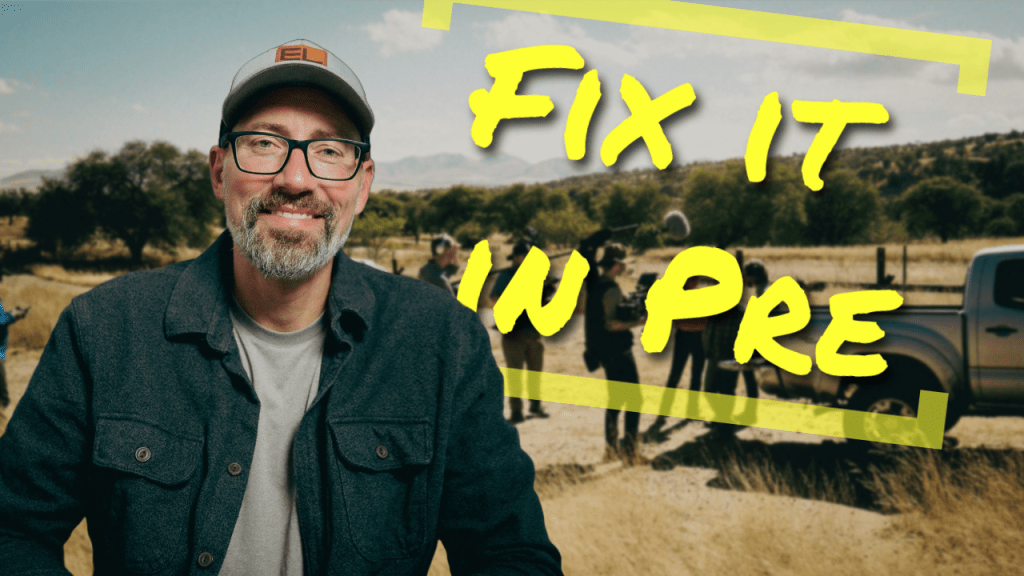
Check out our video below: If you want to go in-depth, click on youtube below about this very topic and subscribe to our channel for more weekly filmmaking wisdom.