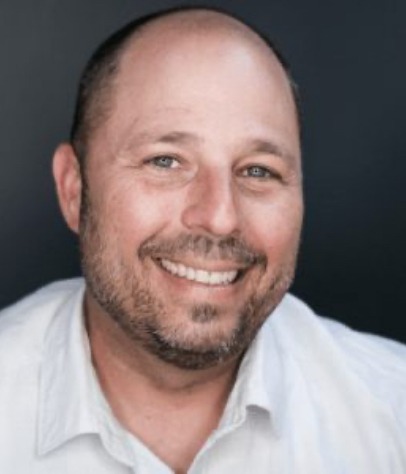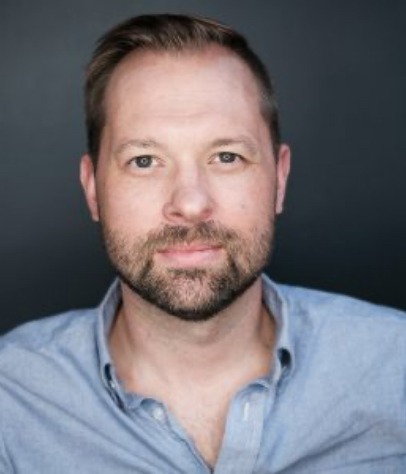

By: Darren Durlach
In the last couple of years, I’ve been consumed with three overlapping TV shows. Be careful what you wish for — it definitely aged me a few years.
But in that chaos, I’ve been lucky to work with some incredible teammates who’ve made me better. One of them is editor Jesus “Chuy” Silva — Sundance-featured, Emmy-winning, and one of the steadiest collaborators I know.
On the last season of Pati Jinich Explores Panamericana, we were in the trenches together on the very first episode. While I was privately (and sometimes not so privately) melting down, Chuy was unflinching, patient, and always arriving with solutions — even at 11pm on deadline. He’s chill, wise, and takes things one step at a time.
So it was a real pleasure to interview him and learn about his approach to relationships, resilience, and keeping the creative fire lit in this crazy profession.
A few takeaways that stuck with me:
-
Relationships > reels – Staying visible and celebrating others’ work leads to more opportunities than cold pitching or even a great reel. Early on, reels matter most; later, relationships keep you working.
-
Downtime is prep time – Instead of panicking in slow seasons, use the space to sharpen skills, explore new tools, and reset creatively.
-
Dig for the gems – Great editors go beyond obvious shots and respect every frame. It shows in the detail of Chuy’s edits — he’s watched all of the raw footage. You can tell the difference between someone who digs for gold and someone who just grabs the shots on top.
-
Passion sustains – Editing isn’t about money or stability. The people who last are the ones who love it, and that passion shows through when the work gets hard.
And there’s so much more — from dealing with tough notes to helping directors find their vision to staying on people’s radars.
To watch the interview click here.
Here’s the full transcript of the interview
Darren Durlach: Jesus, what’s happening?
Jesus Silva/Editor: Hey, Darren. Glad to be here. Thank you for the invitation.
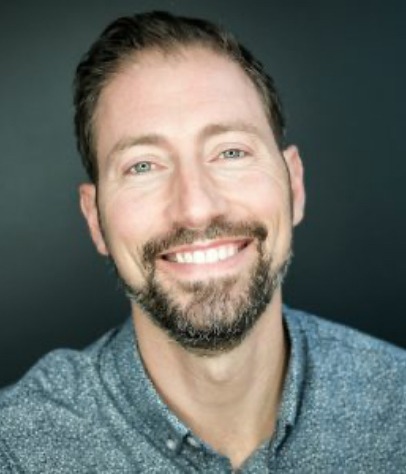
Darren Durlach: So I’m sitting down with L.A.-based documentary editor Jesus “Chuy” Silva, an Emmy-winning storyteller whose work spans Netflix, HBO, PBS, award-winning commercials. He’s known for his collaborative approach. I know because I’ve worked with him for three seasons of TV. Chuy is all about character-driven stories that resonate. You’ll see his edits on Pati Hinojosa’s shows, like Seasons 12, 13 and soon to be 14 of Pati’s Mexican Table. He also edited an episode of the new docu-series, Pati Hinojosa Explores Pan-Americana, capturing Pati’s journey from Alaska to Alberta. And I love working with Jesus because he’s so easy to work with, even in stressful situations. Always working to improve the edit up until the very final export. So thanks for being here, dude.
Jesus Silva/Editor: Hey, Darren. Thank you for the invitation. Glad to be here.
Darren Durlach: So let’s start with going from not being an editor to being an editor. Um… did you go to film school?
Jesus Silva/Editor: Yeah, I did, actually. I went to Valencia College in St. John, Florida, where I, you know, registered into the film program there and learned about all about editing there. Uh, that was a great process. And, um, then after that, I went to UCF, University of Central Florida, where, you know, I did a little bit of anthropology, uh, because I wanted to, you know, go out and explore, you know, culture, society, on a documentary format. That, that pulled me more, more into this kind of work.
Darren Durlach: That’s awesome. So what drew you to documentary versus, say, scripted work?
Jesus Silva/Editor: My first project was a reality show and, you know, contacting people locally in town and see what was happening. And eventually, an opportunity came up for to to help out on some episodes for a reality show that was happening. VH1 reality show. And, you know, I learned about the power of the editor in the seat, you know, and how much feedback you have with the director, how much input you provide and how much of that, you know, still goes on screen. So that was a great experience that, you know, made me work more in unscripted because, you know, the editor does have a greater impact into a project, uh, that has no script. And, you know, you’re, you you realize that the script, you know, start taking form while you edit. So that that was a pretty pretty powerful process that, you know, I really felt passionate about, um, because you do get that sort of impact into a project.
Darren Durlach: And you’ve worked in both scripted and unscripted at this point. So you know the difference, I guess, between the two, which I I do want to get into and I want to ask you more about that. But first I want to find out when you got that job. Had you been kind of working on friends’ films or did you know somebody there? Did you contact? Was it a cold email?
Jesus Silva/Editor: Yeah, I started doing a bunch of shorts, you know, so I had something to show of, you know, of my work. Yeah, I started cold email people, you know, getting to know the local studios and, you know, starting to find emails so I can approach, reach out to people. And that eventually led me to an opportunity on a reality show, which was my first gig.
Darren Durlach: Were you a main editor on an episode or were you an assistant editor? How how what was your role?
Jesus Silva/Editor: I kind of landed straight into an editor position in a way that, you know, I was already, you know, putting together scenes and, you know, dealing with notes from the producers or director. So that was like a, uh, a situation where you’re like landing and running and and just going with it. So, yeah, that was pretty exciting.
Darren Durlach: Yeah, just talk about getting thrown right in there, especially with reality TV, which is like so, you’re doing so much content, um, is it has it changed like in today’s world versus then? Like, are you doing more content now? Are you, are the deadlines the same or are they crazier? Are they better?
Jesus Silva/Editor: Yeah, I think they’re always crazy. Deadlines are always crazy, you know, you’re the always try to do shorter schedules, you know, so, but yeah, I don’t think schedules haven’t changed. I think technology has changed, you know, for sure. I started over 10 years ago where where we were doing tapes, you know, exporting out to tapes and trying to meet the FedEx deadline. So now it’s just a matter of exporting a clip, sending that out to the network. So that part changed a little bit where it doesn’t much of a of a rush to print something out to tape. Uh, but, yeah, I think, uh, you know, schedules are crazy, you know, it’s always, but, um, but it’s part of the challenge. It’s part of the fun, I think, you know, of of being in those environment of like pressure, you really learn how to polish your skills and really sharp, you know, your focus.
Darren Durlach: That’s a good point, actually. I, you know, one thing that when I started getting into TV work, um, it kind of forces you to learn shortcuts and hacks and streamline and get your style down so that you can repeat it in fast-moving situations. Um, you know, how is that evolved for you? Finding ways to be faster? Are you kind of always learning, you know, the hot keys on a keyboard? How do you stay sharp, I guess?
Jesus Silva/Editor: Yeah, the technical part is always important, you know? The technical part, know your tools, you know, what you’re working with, that’s always important. And I think it’s a matter of like, you know, practice, practice and practice, you know? The more you practice, even if it is at home or like a, you know, a project with a friend, that always helps, you know, because that’s gonna give you more skills, it’s gonna give you, you know, more confidence. Make sure the decisions you’re making, you know, you feel good about it and it’s, you know, it’s what you feel like is the right choice. And you have to live with those choices, you know, and those are the things that you have to make, you know, while you’re working on. This really applies where practice makes perfection in a way where, you know, you feel more confident and you know your tools, so it’s it’s a matter of a process of somewhat of a fermentation, you know, when you start, you know, you you kind of go through a process of like a learning curve, you know, dealing with notes, dealing with, you know, creative feedback, and, you know, sometimes it’s, you you learn on the field, too, you know, or you learn from your peers, you know, fellow editors next to you and you pick up on them of how they do things. So it’s always a, you know, it’s great because it’s a collaborative environment where, you know, you have the opportunity to share experience with people, you know, and you talk to them and that’s also part of of the great thing of this industry is that it’s a, it’s a great, it’s a big community. It’s a big community of people. So you, I mean, editors were somewhat alone, you know, in a room most of the time, but we’re really not because there are a bunch of us, you know, doing this, you know, doing this type of work sometimes at the same episode with the same, you know, uh, on the same show. So it’s, it’s a great collabora environment, for sure. I mean, sometimes it’s, you know, you make great bonding with people. Sometimes it’s, uh, it’s a challenge, but I think it’s all all part of the job.
Darren Durlach: That community that you’re talking about, I feel like, you know, in talking about, you know, how do you find work, how do you network, how do you build relationships, has anything changed from when you first started and in how you’re finding work?
Jesus Silva/Editor: Not really. I think it’s still a matter of like, you know, people that you know, who knows you, trying to be visible, trying to network, be out there, you know, keep in touch with people. Follow what people do, you know, that’s always important. Make sure if some project comes out, you know, say, “Hey, I, you know, I saw this, it was great. You know, congratulations.” Always try to keep in touch. Keeping in touch, I think, is always the key thing in in this industry, where people, you know, keep keep you in mind for things, you never know when things can come up. So, um, it’s always a good, uh, practice to just see what’s out there, what people are working on.
Darren Durlach: Uh, so, Chuy, how do you stay busy? I mean, how how do you go, how do you manage the ups and downs and manage to keep work coming in one after the other?
Jesus Silva/Editor: Yeah, that’s, uh, that’s probably one of those million-dollar questions of like, “How do you how do you keep busy in this kind of industry and, you know, keep working?” I’ll say the most important thing is just keeping in touch with people. You know, just don’t disappear, you know, stay, stay visible, you know, go out there to as much networking events as you can. Research people, you know, what they’re doing and where they’re about. Try to be personal when you reach out to people. That’s always, uh, a good practice.
Darren Durlach: What’s an example of like reaching out to somebody? Let’s say, you know, you and I worked together on a show and it’s been a year or two. Are you, um, reaching out like monthly, every six months? You just like, what are you writing in the email?
Jesus Silva/Editor: Yeah, I mean, it depends on the on the personal situation. You know, um, if someone you see that he has haven’t worked in a while, check what they’re doing currently, you know, and try to keep up to date about what they’re about. Maybe it might it might not be a project. Maybe it be a a picture they posted on social media about a trip that they’re doing. So, you know, you kind of keep it more, you know, more personal, more friendly relationship. So that’s always important to see what other people’s are are doing. So you’re kind of keeping in touch with, you know, what they’re about, so you keep you keep the relationship warm, you know, in that way.
Darren Durlach: I love that. And, you know, actually, something that comes to mind that you do that I really appreciate, and it’s gonna sound maybe kind of elementary to some people, but I think it’s really good. And that is, you know, if you’re working on a project with somebody else and I want to work with you on a project, you kind of keep our conversation to like outside work hours. You know, um, and I know I know that sounds kind of, uh, you know, almost overly simple, but even though I want to work with you, I want you to be available, I actually appreciate that you’re just like 100% focused on the job that you’re doing. And not, you know, just like selling me as much as possible on getting the next job. It actually makes me, you know, have more confidence in hiring you in a weird way. So I don’t know if that’s a compliment or not, but, uh, you know, it has this opposite psychology where I’m like, I know I I’m trying to plant the seed that I want to work with you in the future on this project and I’m hoping you’re available. And you kind of will say like, “Hey, you know, I’m on this until this date and, you know, um, maybe we can talk, you know, after 6:00 p.m.” or whatever and like, I don’t even know that you know that you do that, but I but, you know, some people are just like angling to get the next job so much that I almost worry that they’re not working on the job they’re currently working on.
Jesus Silva/Editor: Right. Yeah. I mean, that’s, that’s always, you know, important to keep the relationships that you have currently and even though you might not be working with that person, you know, don’t look at it as a job, you know, look at it as a relationship, you know, so that way it’s not about the job, it’s more about the relationship. And I think that way, you know, it feels more more natural, more organic, you know, where you’re not really pushing for the next job, you’re just, you know, keeping the relationship alive and I think, you know, that’s that’s a good, you know, uh, way of like keeping in touch with people where you’re like, you know, it’s not just about the job, it’s more about the relationship, really.
Darren Durlach: Absolutely. I mean, relationship is is clutch. Um, and it’s funny because, you know, I’m I’m in I’m more in the position where I’m hiring people as opposed to being hired in a lot of ways and, um, it’s funny, some people are better at it than others, but, you know, I always appreciate like little little touch it, you know, like little check-ins, you know, like, it doesn’t have to be much. It just kind of puts that person at the forefront of my mind. And one thing that I’ve told a lot of freelancers is like, I think people are a little nervous to be like annoying, and honestly, like sales-y kind of freelancers are a little bit of a turnoff and, you know, just like people that just check in and it’s like more like an old friend checking in is so much better and I don’t feel I don’t know, there’s something to just the cool factor of like, you know, not trying too hard. It’s like a psychological thing. But you’re actually cool though, Jesus, like you don’t have a problem with that.
Jesus Silva/Editor: No, and and I think once you look at it from that perspective of like, “Build the relationships, you know, and the job comes next,” you know, once you start building a relationship, you know, if there’s an opportunity, you know, you’re you’re pretty sure gonna get contacted if if there’s a good, you have a good rapport with that person. So it’s it’s a matter of like creating organic relationships where it doesn’t feel forced or it doesn’t feel just about a job, you know? So, once you come with that mindset to the approach of reaching out to people, I think people are more open, more welcome, you know, to those kind of approach when it becomes more personal and less about, you know, looking for the next job.
Darren Durlach: And speaking of, you know, like, obviously, the schedules don’t always work out. In fact, most of the time they don’t work out like, you know, you’re ending a job and a new one starts. But, so how how do you manage your downtime and how are you staying on top of your career? You know, I mean, like, you’re in L.A., right? We had we had the wildfires, which, oh my god, that’s crazy. You had the union strikes. Um, and obviously, the the industry’s been up and down. AI. How are you staying relevant when there’s no when when work has dried up?
Jesus Silva/Editor: I think down times is prep time, for sure. It’s it’s a time where you can, you know, concentrate, you know, on either like your skills, like learning a new software or learning something new about AI that you have to like, you know, keep up to date with everything that’s happening and, you know, that’s what I like to do in my downtime. It’s either like work on a project with a friend, so you can keep moving on, you know, keep moving forward. Uh, and also learn about what’s what’s the next thing. Uh, this industry is very fluid, you know, in the past couple of years, you know, like you mentioned, there have been like external and internal situations within the industry that has impacted everybody here in L.A. Um, but you have to keep going, you know, you have to keep going, you know, times like this, you know, keep keep the faith, you know, and trust yourself, you know, trust yourself that, you know, this is what you really want, you know, just keep going.
Darren Durlach: How important are reels to, you know, new editors versus people like you who have a network and you’ve worked on shows?
Jesus Silva/Editor: I think reel is always important to keep it up to date. You know, you never know who can ask you for it. Uh, on the beginning, it’s always important to have a reel because you’re you’re starting, you know, fairly few people know you. So, I think that the reel on that, on that scenario is important because that’s your presentation of who who you are, what you’ve been. Um, and then after a while, you create a network of people that you, you know, constantly keep in touch with and, you know, you grow your network eventually and it becomes more about the network and less about your reel. ‘Cause, you know, people will know about your work and they will know about, you know, what you have done and, you know, they’ll start knowing you for your for your work, you know, and that that kinda grows. Uh, but always is a good practice to keep your reel up to date ’cause that’s always, you know, it’s your presentation card, you know, in a way if somebody ask you for for that. So, it’s always a good practice to to keep it up to date.
Darren Durlach: I know we have a lot of people apply for jobs or, um, if we have a new show, I’ll talk to different editors and that’s the first thing I look at. I mean, I want to see what you’ve done before I look at a resume, right? Like, um, I just want to see, it’s just like, “Show me.” You know.
Jesus Silva/Editor: Yeah, for sure. Especially if you’re approaching people that, you know, they don’t know you, you always want to have that ready to go in case you want to send them that and, you know, be like, “Hey, you know, I did this previous show. I love the current show that you’re on and, you know, I’ve done similar work.” So that always helps to always, you know, to to keep in mind what you have done and what you do next, what you want to do next and trying to keep that within the same thread of the kind of work so people, you know, people can trust you a little better. So you have experience already on a particular kind of, you know, work or project, so that kinda keeps it constant. So, if you’re working reality, you know, sometimes people are looking for editors that work in reality. So that happens in many other, you know, sectors of of the industry as well.
Darren Durlach: This brings me into a good transition. So like, you’ve done scripted and documentary. What’s the difference between editing documentary and scripted?
Jesus Silva/Editor: It’s a big, it’s a big difference. Um, well, coming from documentary, like, for my example, once you go into scripted project, you bring all the skills of like, you know, storytelling, and what are the good, you know, parts of of story that you need to put together. And once you go into scripted project, like in my case, I went from documentaries into scripted, you know, you go with that mindset of like, “Well, you kind of know what the elements are needed to tell a good story” because in documentaries, sometimes you don’t have the luxury of, you know, knowing what the story is about. So you have to create that, you know, while you go in the edit. And once you go into scripted project, it’s it’s to me, it’s a little bit refreshing because it’s, you know, the story’s already there and, you know, the footage sometimes it’s not too, you know, it’s not 100 hours of footage, like sometimes we do in documentaries. So it’s much less of a footage, so it’s, it’s a different muscle that you move, too, you know, mentally and emotionally. It’s some sort of a different muscle that you have to work with. Um, but it does help having those skills from documentaries that you’re like, you know, polish your storytelling skills and the pacing and the rhythm of things. And sometimes in a scripted project, you know, it’s not all defined. So sometimes that sort of input of like maybe deviating a little bit from the original intention and creating something a little bit more original can help, you know, into those scripted projects that it’s not really always like one formula, uh, that works for all the scripted projects. So, you know, documentary editors are on some sort of, you know, chair directors, I guess, where, you know, you you’re some sort of directing the story, you know, in post. And for me, going into scripted is some sort of a fresh air, uh, where, you know, there’s a there’s a director working with you directly and, you know, he has a more sharp focus on the story. Um, so but that’s, that’s, for me, it’s great because it’s like documentary is like being on a hiking, going up the hill, and then scripted project is on a flat land, you know, you’re just walking by.
Right.
Jesus Silva/Editor: So, it’s great. It’s just a different environments.
Darren Durlach: You know, though, I’ve I’ve done a little bit of both. I mean, I’ve done mostly done documentary, right? And for me, as a director, I love story and I love what I love about a documentary is, you know, is that process of how the story kind of bubbles up and it’s like not defined and suddenly, you know, in pre-pro, you have one story, then you go and shoot it, you have another story and then in post, you’ve got sort of like another version of the story and it keeps redefining itself. And I find that it’s like, you know, almost like being a captain captain of a ship in a storm, you know, you’re just sort of like going with the flow, try not to tip over. And then and with scripted it feels like it’s just more on a nuance level, right? You’re still doing those same things, but you don’t have to do the chunky work of writing, really, you know? It’s like you’re kind of like little making little micro choices that tell the story in a different way.
Jesus Silva/Editor: Yeah, and you have more energy creatively. I think you have more energy working on a scripted project because, yeah, documentaries have a stage of heavy lifting, you know, um, and sometimes in scripted you just use that energy more towards the creativity of the project. So you’re not too much bugged down by, you know, trying to discover the story or trying to make something out of nothing. And and, yeah, I mean, scripted for sure you have, you know, you you concentrate more on those nuances and those details that, you know, sometimes takes longer to get to in a documentary.
Darren Durlach: Are you trying to get out of working on documentary work with me?
Jesus Silva/Editor: No, not at all. I mean, documentaries are my passion, you know? They’ll always be they’ll always be a passion, you know, for me and, you know, scripted it would be great if we do a scripted project.
Absolutely.
Jesus Silva/Editor: Together, you know, that would be amazing if we do that next.
Darren Durlach: You know, one of the challenges, I think, and and I I think you’ll agree with me is like when we work on a show like Pan-Americana, there is such an enormous lift with just getting the story to feel right that you’re almost turning in the episode before you’ve really had the the time you want to do the polishing and to play with it and experiment. And that’s the one thing about TV that I find to be so difficult in the documentary sense is the management of energy because I’m a little bit of a perfectionist and I want that story to feel good and if but if we spend too much time on that, we won’t have any time to polish or play with music choices and all that kind of stuff. So I think energy management is like a really key point.
Jesus Silva/Editor: Yeah.
Darren Durlach: Which kind of gets into like a good question of, you know, let’s talk about some of the work we’ve done together. So, you know, a lot of times what we attempt to do, and what I’ve attempted to do is give you a solid A-roll edit because I love to edit, too. And instead of doing a paper script, what I’ve loved to do is like get you something that’s I actually put the interview on a timeline and I build out the A-roll so you have the moments you need and it tells a little story and then hopefully that gives you more of an opportunity to be creative. But when we give you a project, you know, what’s your process? How do you delve into it and how do you manage your energy as you move through it?
Jesus Silva/Editor: Yeah, working together’s been great because you give me string outs which, you know, it’s it’s a great also way of doing post where, you know, of course, uh, we’re working on a schedule, time is limited, so we have to get get it going with the story. So, sometimes you have that luxury of, you know, get a string out from a producer or director, uh, and, you know, you dive straight into the story right away. You don’t have to go out and looking for something else or dive into all the raw footage. So that’s that also gives you a lot of like flexibility towards like be more creative, you know, and more having more input to the story. Uh, for me, what I like to do is, you know, I like to look at at the whole picture, the big picture first, you know, what’s the episode about, you know, where we getting into it, you know, point A to point B, you know, what’s the story about and then try to get into the details of that, you know, like where we starting at, you know, the intro, you know, first first part of an episode, looking into transitions, how do we transition from, you know, one scene to the next, you know, and trying to put all that, you know, together, some sort of a road map before you dive into the edit. Kind of like look into all the elements that you have to work with.
Now, are you is that, are you doing that through having a conversation with the director or are you doing that through looking through all the footage?
Jesus Silva/Editor: That’s part of it, too. Like, I mean, it’s definitely crucial to have a good conversation with the director or the producer and see what’s their vision, you know, what the tone of it they would like to, you know, put into the piece. And then after that, if you have time, look at the footage, that’ll be great. I would love to I love to look at footage, actually. For me, that’s I enjoy watching raws and dailies just because you get more familiar with what happened in the field, you know, sometimes you hear the director talking behind camera and if you can hear the director’s thoughts, you know, about what he’s doing, and sometimes that’s that’s good because you can be in the same page. Maybe there’s a shot that the director hates and you look at that and you realize, “Oh, I’m not gonna use that shot for sure.” You know, but sometimes if you’re not looking at everything, maybe you’re stepping into something that, you know, wasn’t intended to be used. So, um, I think it’s it’s crucial to have, you know, clear communication with the directors and producer about the vision of the episode and in the tone and the approach of it.
Darren Durlach: So this this is another, you know, benefit of working with you and and this is also going to sound a little bit over-simplified, but like, I know through our communications that you you’ve looked at every shot. And like, you know, I mean, it’s not always possible, like if if there’s like 100 hours of footage and we’re on deadline, you know, sometimes it’s just more about survival. But like, I know you’re playing with different stuff and I know you’ve found shots that in the field I got excited about that, um, a lot of editors don’t find and I’ve even worked with some editors who I just, I know are just finding the shots that are, you know, the closest to the top of the heap, you know, and like, just going for the next shot that they think’ll work as opposed to looking through all of it. And I’ve I’ve always really appreciated that because, you know, from the directing standpoint, you’re out in the field and you’re, you know, and and in the last show we were in the Arctic and you’re sort of you you put so much effort into like just the logistics of getting some of these shots. And then, um, you know, if you have an editor, I had an editor once tell me like, “Oh, yeah, like,” he didn’t even look at all the like, he didn’t really care about the B-roll. And I’m like, “You know how much I we worked to get that, you know, those that shot to look like this?” Or to, you know. So I’ve always felt like you’ve respected that part of it and, uh, and looked through all the footage when when you’re able to and it’s it’s clear in the edit because I’ll see little nuanced edits that wouldn’t have been possible unless you dug in.
Jesus Silva/Editor: I mean, trying to go the extra mile, so it’s so is a good thing, you know, try to push. I stay late, you know, sometimes I work long hours and just because you feel that need of like get yourself involved with everything that you have to work with. And sometimes that translates into the into the cut, you know, sometimes that translates into the edit because you make the effort to really look, you know, what what else is out there that we probably can use that maybe I don’t have on my hands right now, but I know there’s so much more footage. So, I I I try to do that, you know, I try to like stay a little longer, you know, if I have to, just to look at more stuff, you know, because sometimes I, you know, there’s a sense of like, “Oh, maybe there’s something else I can use. Maybe there’s a, you know, maybe there’s a a better shot to transition from one scene to the next that we don’t have.” So, sometimes doing going the extra mile pays the effort, you know, in in an episode and projects, just because you you, you know, you’re trying to get something else that, you know, it’s not obvious, you know, so it’s like trying to find those gems, you know, that we sometimes don’t get the luxury to work with all of them, but sometimes you pick the right ones and that makes a big difference.
I’m glad you said that because, um, you know, if we’re talking about like getting work as a freelancer, something, I mean, obviously talent is important and all that, but like part of the talent is like the ability to sit with the material for many hours until you find the gems. Like, that’s part, that is a talent, right? Some people just don’t have that patience or that desire. And, um, so that is part of the package that comes with people that you love working with and that you I I love to hire again and again and again. I I’ll find the people who it’s a little bit more than work to them. You know, and obviously that gets into a whole conversation about balancing life and work, which is tough ’cause I’m the same way. I tend to when I get really into a project, I can I I’ll think about it all day long. Um, but, you know, you try to find these team members and put them together, the people that it’s a little bit more than work, you know, they they find real joy out of finding the moments because, I mean, in the end, like, what separates, you know, my work from another director’s work or from another editor’s work is like just attention to detail, you know, um, and, so I really, I I just appreciate that about you.
Jesus Silva/Editor: You know, I do this because it’s not a, for me it’s not a job. And and that’s the other side of of things. You know, if you look at this from a job point of view, you’re probably gonna get disappointed, you know? Uh, you’re gonna get burned out. And, um, you know, it’s it’s one of those perspectives of things where you’re like, “Well, I’m doing this because it’s a passion.” You know, I I feel it, I feel the need, I feel the call to do this creative work. And and sometimes, you know, you don’t think about staying late. You just do it because, you know, you have to. You know, it’s a it’s a passion, it’s it’s an interest that you have to try and make the best out of what you got. So, it’s it’s more like, you know, you’re you’re caring for something that eventually is gonna be alive. It’s gonna be out there. It’s gonna have legs. It’s gonna walk. So, you know, it it’s like you you’re like bringing up like not a child, but you’re bringing up to the world, you know, something new.
Darren Durlach: I think being a documentary editor is very similar to being a novelist. Because you put months of work into something and you’re constantly refining it and moving it around and changing it and changing it. And at some point you gotta let it go and you gotta let it walk. Right?
Jesus Silva/Editor: For sure. That’s the thing. You know, at some point you have to let it go, too, and it’s and sometimes it’s not about the egos, either. You know, it’s not about my decision, it’s not about my edit. You know, I think it’s about, you know, working in collaboration with others, people’s vision. Like, I feel like my job is to, you know, tell the director’s vision, you know, or help them tell a better version of their vision. You know, and sometimes I look at it from that point of view where, you know, how much of my creative input can can I put in, you know, that makes it better. And it’s not about me, it’s more about the project and the story and, you know, what we’re doing as a collaboration effort. So, and, you know, looking at it from that point of view, it it becomes a team effort where, you know, you’re not 100% you know, responsible for everything, it’s more about, you know, constant communication and, you know, talking about decisions and, you know, keeping it that, you know, as a relationship, you know, especially if you’re working with a director or a producer that’s very involved in the project, you know, it it’s about, you know, managing those relationships and managing, you know, your time as well, you know, because you can go on forever editing, you know, an episode and it’s never gonna be, you know, it’s never gonna be perfect, but, you know, at some point, you know, you have to let go.
Darren Durlach: You mentioned earlier like as a documentary editor, in a way, you’re directing, too, because you have so much power over the final outcome. Um, how do you balance between, you know, what you want to do and what the director wants to do? And are there sometimes when you just feel like it’s their vision is wrong? And this is okay, you can tell me.
Jesus Silva/Editor: Well, you have to bring it up. You have to bring it up and you have to offer an alternative, you know? So you have to you you can’t come up to that conversation empty-handed. Like, if if that’s a scenario, you have to come up with solutions. So, if you’re bringing, if you’re if you’re bringing up an issue, you have to bring up a solution right away. And so that way, you can show or you can discuss, you know, what’s the best, you know, what’s the best approach because you have one alternative, which is the original one and then you have another one, which it could be, you know, could be could be better but it also could be, you know, not the ideal that the director had in mind but, you know, once you show that, you know, it’s a matter of discussions, you know? It’s a matter of like, you know, what how are we how do you want to approach, you know, how do you want to approach the storytelling in this scenario, you know, because you have options. So, sometimes you bring those options to the table and then bring it up to discussions, you know? So I think it’s a matter of like offering an alternative.
Darren Durlach: I love that. You know, I feel like it’s a, you know, it’s a it’s a breath of fresh air when we get notes from the network or from, you know, the another executive producer and, um, we have to do something and as, you know, and in my position, if I’m an EP or director on on something, I feel like I have to make hundreds if not thousands of decisions. And it is so enormously helpful to have team members who aren’t just sort of doing, you know, exactly what you say, you know, like you you just give them instructions and they just do it and then they don’t have any other ideas of their own or if they’re just complaining about something but there’s no solution. And that makes such a huge difference for me, I know. It it feels like a a relief. Like some weight’s been lift off my shoulders when an editor or a producer saying, “Hey, you know, that’s not gonna work, but we could do this or we could try this or let me try.” Even if, even if you know what you’re suggesting won’t work, like, even not saying you do that, but like, just having suggestions is like is so helpful because then I can go to the network and say, “Hey, you know, we’re trying this, we’re trying that” and they at least appreciate that we’re trying, you know.
Jesus Silva/Editor: Yeah, and don’t be don’t be afraid sometimes, you know, to bring that up, you know, early. You know, if you see that something’s not working early, you know, bring that up right away. Don’t don’t spend too much time working on it until the end to bring that up. You know, sometimes you find problems where there were no problems. So and that’s also part of the part of the journey. It’s that sometimes you’re working on a piece that nobody realized, “Oh, we’re missing we’re missing a shot” or “We’re missing a plate” or, or maybe, you know, maybe you discovered something that wasn’t intended into the story. So, you know, sometimes going that far, you know, could could mean a big difference, you know, in terms of like your relationship, you know, with the person you’re working with, but also, you know, how much better your work can be.
Darren Durlach: Yeah, it’s like a I I think a good collaboration is like people bring ideas and, you know, there isn’t like a negative energy about it or we can’t do it. It’s just sort of like, “Yeah, we could try this. We could try that” and you just kind of keep reiterating a little bit.
Jesus Silva/Editor: Yeah.
Darren Durlach: What’s an example of like communication that doesn’t work for you where you feel like, “I don’t know if this is the right situation for me” or like it’s not feeling good?
Jesus Silva/Editor: Yeah, I think working with maybe working with directors that they’re not clear about their vision and the director is not really confident of like, you know, his vision into a into, you know, into a project. So sometimes it helps, especially, you know, working from documentaries, it’s you’re you’re kind of used to problem-solving. And, you know, for me, I always love problem-solving. So I guess it’s one of those skills that you you kinda have into like, you know, don’t get bugged out if something’s not working, just find a solution. There’s always there’s always a solution, you know? It might take a little longer, but at the end of the day it’s gonna be better. You know, so it’s always about, you know, trying to find trying to be open, but also if you’re working with a director that it’s it’s, you know, having a hard time with his vision, I think it’s it’s a, you know, you have an opportunity to really bring your input into your creativity into that project. So I don’t look at it from a point of view or like it’s a drag. I’m look from my point of view, it’s like, “It’s an opportunity for you now, open your mindset of like creativity and opportunities to what that project could be because, you know, you’re helping the director, you know, bring out his vision.” So, um, yeah, it it’s, uh, you know, it’s a rewarding but at the same time it’s, uh, you know, it feels like we’re trying to save something. You know, we feel it sometimes it feels like we’re going to battle, you know, we have a mission, you know, we we have to overcome all these obstacles, you know, but but somehow we have to make it.
Darren Durlach: It is 100%. I you need somebody like leading the charge. Uh, it is it does feel like a battle, especially like TV. Um, and like an, you know, a docu-series where you’re traveling, a docu-series show feels like you’re leading a tactical small force into the field and you have these specific things you have to get and then you come back and then you’re working with an editor, you’re realizing the things you messed up on and, uh, and then you’re just fighting through it and there’s so many things to to do.
Darren Durlach: So actually, you know, one thing I wanted to talk about is like, I know, you know, if you’ve if anyone’s done this for any length of time, at some point you work with you’re in a situation where you get a tons of notes, like tons of notes. And sometimes they make sense. Sometimes they don’t make sense. Sometimes you wonder if the person who gave you the notes knows anything at all about television. Sometimes you, you know, you just don’t agree with them or it looks like they didn’t even watch the episode. How do you stay sane as an editor? You know, like, we’ve been in some kind of tricky situations, I feel like with a few episodes where I, it’s like 11:00 p.m. and it’s like the 20th round of notes and we’re just trying to like just drag our bloody corpses to the finish line.
(Music)
Jesus Silva/Editor: You have to trust yourself, I think. You have to trust yourself. You have to trust your input into what you’re feeling, you know, about a project. Um, and also thinking that, you know, every project is different, every project has its set of challenges and don’t take things personal for sure. You know, sometimes you could be tired and things are not working, you know, and you’re gonna have another opportunity the next day to to do a little better. So I know sometimes we get burnt burnt out, you know, about trying things that are not working. Um, but to me it’s it’s like, you know, I do feel I do feel the pressure, maybe I don’t show it as much. I don’t exteriorize it as much, you know, sometimes. Um, but I think it’s about, you know, feeling confident about yourself, you know, feeling confident that you you will be able to make it, you know, even though it’s a hard challenge, you know, feel confident about yourself that, you know, that eventually you’re gonna find the solutions, you know, eventually you’re gonna find a way to make it work. Um, and I think about trusting the process, you know, trusting the process and trusting yourself, you know, is a big part of that.
Darren Durlach: Yeah, and maybe herbal tea and meditation and playing guitar.
Jesus Silva/Editor: Of course, yes, I do. Yes, that helps, too, you know, part of those part of that practice is having time for to unplug for everything. Maybe have a hobby, maybe go out for a hike or, you know, maybe have some sort of a healthy habit where you go to the gym, you know, or just go out for a walk, you know, it helps a lot to go out for a walk. Just if things are not working, stop and just go out for a walk. You know, that, it’s a that to me is probably the biggest hack into this. You know, when things are not working, just, you know, stop for a second, you know, walk out of the walk out of the room, you know, go out to some fresh air and, you know, by the time you sit in the chair, you you you feel probably worse or you you or you’re or you probably feel, you know, refreshed, you know, and and feel motivated to keep going.
Darren Durlach: For aspiring editors out there, what advice would you give, um, about working in this industry and and how to have a thriving career?
Jesus Silva/Editor: It’s not a normal, it’s not a normal journey, you know, be ready, be ready for anything, you know, and and I think that’s part of the key. Always try to be ready. Always try to be ready and trust yourself. You know, if you’re really doing editing because you feel a call, if you’re really doing it because you you have some sense of passion that you’re pursuing, you know, try to keep that fire. Try to keep that fire going and, you know, and this is a, it’s a very irrational industry, you know, comparing to many other industries. It’s very irrational. So, I think you need to have a strong mindset, you know, going into this kind of work and, you know, it’s very organic sometimes because you learn as you go and that’s okay because I think we’ll all go through those sort of phases where sometimes we don’t know the answers, you know, but, you know, you have to kind of like trust yourself and really, you know, be sincere with your decisions and, you know, uh, be open to be open to, you know, be flexible, you know, trying to be flexible as well, you know, I think that’s that’s a huge part of it. And, you know, yeah, I mean, when when things are not working out, you know, just, you know, take it a take a break, you know, it’s always important to take breaks, you know, and, you know, stop what you’re doing for a little bit and, you know, that kind of helps. But I feel like for people that are like getting into this industry and are pursuing a career into editing, they have to feel it. Feel that sense of like you want to keep going no matter how hard it is.
Darren Durlach: Yeah, that’s a great way to put it. It’s kind of like people say, you know, if you wanna build muscle, you have to be able to do it on the days you don’t wanna do it. And I feel like it’s very similar in this industry. You know, there’s a lot of days that are really hard and it’s just like continuing on and doing it.
Jesus Silva/Editor: For sure. For sure. Consistency is always important as well. You know, if you’re not working, try to do try to continue. Try to do something. Try to keep going. You know, even if it’s not a paid job, try to keep going. You know, try to practice, you know, as much as you can. Try to network as much as you can. I think it’s those are the, mainly, the two pillars of of this is like, you know, trust yourself and try to meet as much people as you can.
Darren Durlach: Awesome, dude.
Darren Durlach: Hey, Jesus, thank you so much, man. I hope that we get to work on many more projects together.
Jesus Silva/Editor: Thanks, Darren. No, this was great. Great great opportunity to talk to you again and hopefully we can continue the journey together.
Want More?
Subscribe to our YouTube channel for regular tutorials and field notes from real shoots.