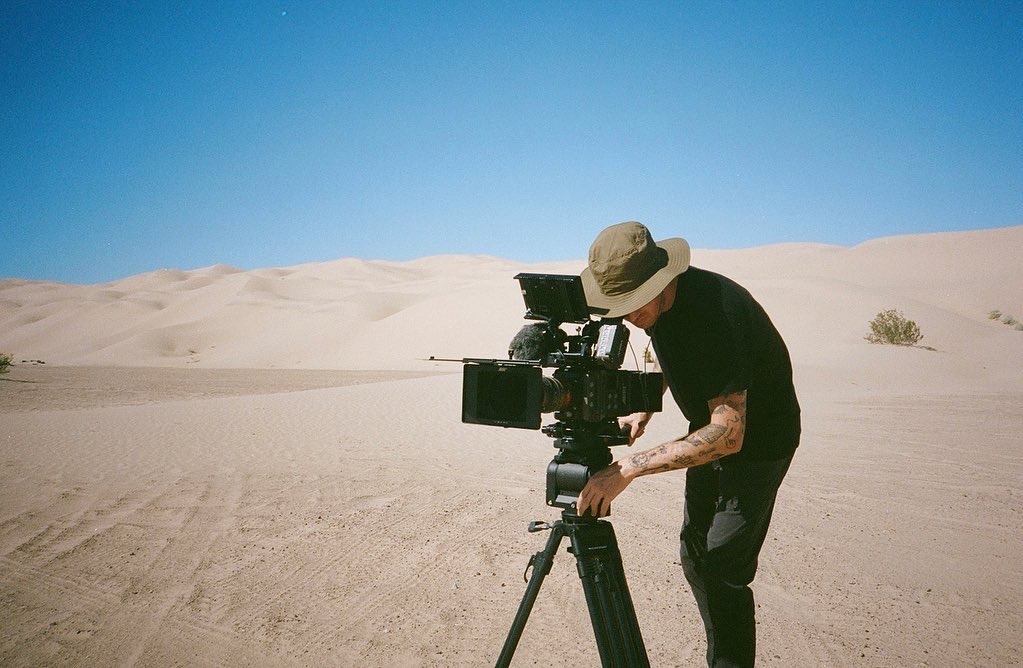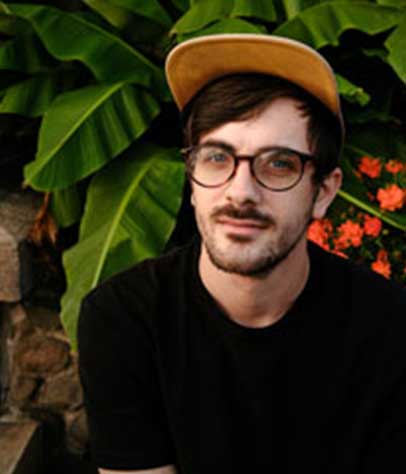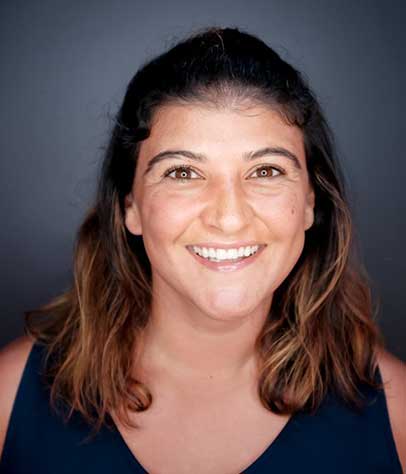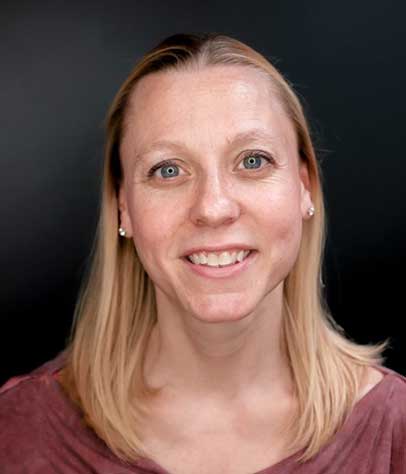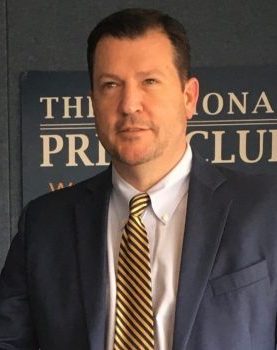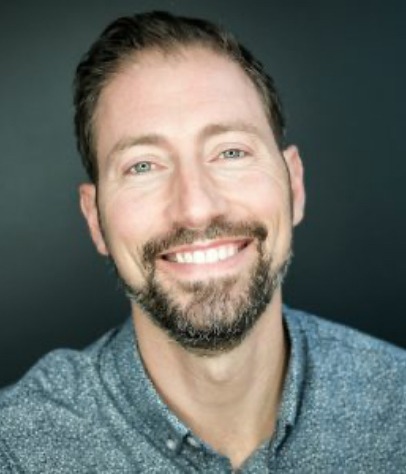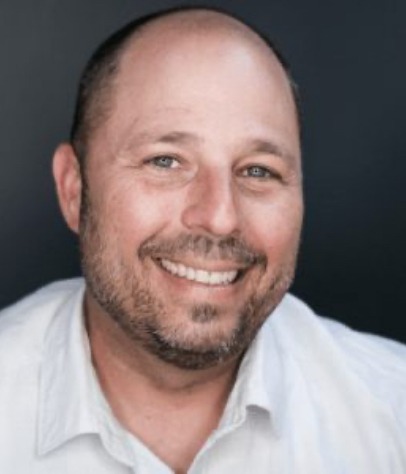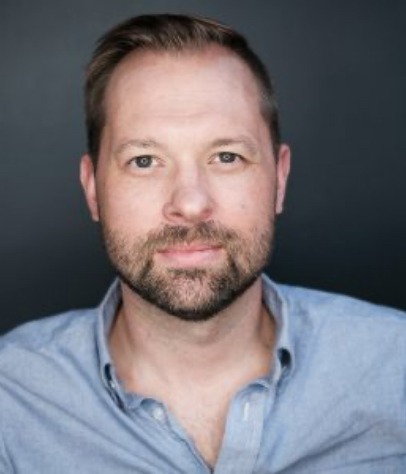

Caption: (From right) Shira Stoll/Video Producer; Laura Oliverio/ Photo editor, CNN; Graham Dickie/Freelance Photographer; Kenny Holston/ Photographer, NY Times; bearded man unknown.
By Darren Durlach / Co-founder, Showrunner, & Director
Lessons from the Alexia Workshop at Syracuse University
Recently, I had the privilege of serving as a storytelling coach at the Alexia Workshop at Syracuse University, where a panel of accomplished visual storytellers shared their journeys with students. These weren’t celebrity photographers (almost, though) preaching from pedestals—they were Syracuse Photojournalism graduates who’d taken wildly different paths, from military service to The New York Times, from fashion photography dreams to rural documentaries, from CNN to corporate communications.
What struck me most wasn’t their impressive credentials. It was their honesty about the messy, uncertain reality of building a creative career.
Here are the lessons that resonated most:
Your Path Will Be Uniquely Yours (And That’s the Point)
The first question from the audience was simple: “How did you get to where you are—and how different is it from what you’d planned?”
Every panelist laughed. None of them saw their current role coming.
One thought she’d be a fashion photographer, pivoted to journalism, and now produces video for a financial services company. Another sent 50 black-and-white images of rappers in rural Louisiana to The New York Times—work that looked nothing like their typical coverage—and landed a fellowship. A military photographer found their first civilian job through a video made at this very workshop, at a newspaper they didn’t even know existed.
The lesson: Stop trying to map out every step. Your “five-year plan” is probably fiction. Instead, focus on what feels natural next and stay open to opportunities you can’t yet imagine.
Passion Is Your Survival Tool
Kenny Holston, now a photographer at The New York Times, put it plainly: “The thing that kept me going when I got out of the service in 2019 was the fire that burned in my stomach—for the love of this work, and for wanting to bring visuals to whomever might look at them, to transport them to a place they may never get to go.”
Multiple panelists echoed this sentiment. When the assignments dry up, when the grants get rejected, when you’re not sure how to pay rent—your excitement about the pictures you’re making is what keeps you moving forward.
Graham Dickie described making just three photos a week that he was genuinely excited about as “enough to fuel me as a photographer.” Not getting published. Not winning awards. Making work that mattered to him.
The lesson: If you’re not genuinely excited about making pictures, this career will break you. Find what makes your heart race and protect that connection fiercely.
Research Is Your Secret Weapon
Before you touch your camera, understand your subject deeply. As Kenny Holston emphasized: “The very first thing that I would offer is to understand your subject matter, do extensive research, be able to have an in-depth understanding of what you’re going into.”
This research doesn’t just improve your images—it transforms your editing process. When you know your subject intimately, you can identify which frames truly transport viewers somewhere they couldn’t go on their own.
The lesson: Your best pictures start before you pick up the camera. Do the homework.
PS. Keep reading the article below, but if you want fresh lessons on video storytelling? Consider subscribing to our youtube channel!
Say Yes to Everything (Especially What Scares You)
One photographer on the panel described his philosophy: say yes to literally everything the paper asked him to do, even assignments far outside his comfort zone. Why? Because each assignment was practice in bringing his unique perspective to different subject matter.
A former military photographer shared: “I think doing the thing that makes you afraid is the thing that will benefit you most in your career.”
The lesson: You’ll never grow by repeating what you’re already good at. The scary assignments are where you discover what you’re capable of.
Find Your Champions
Every panelist credited specific mentors who believed in them when they needed it most. Sometimes it was a single professor who said “yes, you can do this.” Sometimes it was a coach at a workshop who connected them to their first job.
Multiple speakers urged students to take advantage of university grants while they can—funding that becomes far more competitive once you graduate. One photographer paid for his entire long-form documentary project through university research grants.
The lesson: You won’t figure this out alone. Find people who believe in you, ask for help, and use every resource available while you have access to them.
Photography (or filmmaking) Isn’t Really About Photography
One of the best questions came late in the session: “Have there been any experiences unrelated to photography that made you stronger photographers?”
The answers revealed a truth we often forget: being a photographer “isn’t really about photography, in a lot of ways. It’s about your curiosity about the world and how you relate to people, and how are you as a communicator.” Shira Stoll credited leading an a cappella group with helping her find her identity and ultimately leading to her most meaningful documentary project. Graham spent months hiking the Appalachian Trail, which changed how he saw the world and became a surprising selling point to The New York Times.
The lesson: Have a life beyond your camera. Your experiences outside photography will feed back into your work in unexpected ways.
Redefine Success on Your Own Terms
When asked how they measure success, the answers varied beautifully:
- Making deadline and challenging yourself to shoot differently every time
- Creating a sense of “wholeness” in an edit where everything hangs together
- Making subjects feel comfortable during shoots
- Simply being able to pay for food and shelter while doing work you love
Laura Oliverio put it perfectly: “I don’t think we talk a lot about how we think success just looks like this when it doesn’t. There’s a lot of ups and downs, and you got to try a lot of different things out.”
The lesson: Success isn’t a straight line up. It’s full of sideways moves, backward steps, and unexpected pivots. Define what it means for you, not what Instagram or your peers say it should be.
The Brutal Truth About Staying in the Fight
Perhaps the most honest moment came from Kenny Holston when discussing the difficulty of leaving stable careers (particularly military service) to pursue documentary work: “It’s more difficult than boot camp. It’s more difficult than any deployment I’ve ever done, because it’s every single day I have to show up and say, I want to be a photo journalist… This is what I love. And if you don’t love it, you’re going to hate yourself for the rest of your life.”
This isn’t meant to discourage—it’s meant to clarify. This path demands that daily recommitment to the work, especially when nothing seems to be working out.
The lesson: This career is harder than most people imagine. Your love for the work isn’t a nice bonus—it’s the fundamental requirement.
A Final Thought
Twenty years into my own winding route through this industry, I still feel that same burn the panelists described. Not every day, if I’m honest. But often enough to know this is still where I belong.
Stop comparing your trajectory to others. They’re on their own strange journey—you’re on yours. Focus on making work that excites you, finding mentors who believe in you, and saying yes to the challenges that scare you.
And stay in touch with the people who invest in you along the way. As one coach reminded the students: “They didn’t just come down and be here for this weekend. They care about you… They want to know what will become of your project if you work on it some more.”
That connection—photographer to photographer, mentor to student, human to human—might be the most valuable lesson of all.
The path forward isn’t clear. But that’s exactly the point.
Sign up for our mailing list and receive your free copy of “Steal these 35 Nuggets of Filmmaking Wisdom”