
The Challenge
We believe the best stories begin with listening.
Our collaboration with FWD.us asked us to do exactly that: listen closely to real voices, understand the human experience behind a complex issue, and help audiences see parole not as an abstract policy debate, but as something deeply personal.
FWD.us came to us with a challenge rooted in perception. Public understanding of the parole system is often incomplete, distorted, or disconnected from the lived reality of the people experiencing it firsthand.
They weren’t looking for a conventional explainer video. They wanted something more human. More emotionally honest. Something that could create empathy without oversimplifying a deeply complex issue.
That meant choosing the right storytelling tool for the job. In this case, animation gave us a way to preserve the authenticity of real recorded voices while creating a visual world intimate enough to hold the emotion of the stories.
From the beginning, what stood out most was the trust and creative collaboration FWD.us brought into the process. That partnership gave us the freedom to approach the work thoughtfully, experiment creatively, and build a storytelling style that felt emotionally grounded rather than overly polished or institutional.
That trust shaped everything.
Building Stories Around Real Voices
At the center of the project were phone interviews conducted by FWD.us with people currently incarcerated.
Those recordings became the emotional foundation of the films.
One of the most important creative decisions we made together was to preserve the raw quality of the audio rather than heavily refining or cleaning it up. The imperfections mattered. You could hear the environment. The pauses. The uncertainty. The humanity.
Instead of distancing the audience from the subject matter, the recordings pulled viewers directly into deeply personal experiences with the justice system.
From there, we developed narrative arcs that balanced clarity with emotional nuance. Each story needed to communicate not just information about parole, but the emotional reality of waiting, isolation, family separation, and hope.
A Documentary Approach Through Animation
Even though this was an animated project, we approached it with a documentary mindset.
The visual language needed restraint. We intentionally avoided obvious or overused imagery associated with incarceration. No dramatic prison bars. No heavy-handed symbolism.
Instead, the animation leaned into minimalism and first-person perspective. Negative space, limited environments, and subtle visual metaphors helped communicate emotional weight without overwhelming the stories themselves.
Color became an important storytelling tool as well. Darker palettes reinforced feelings of isolation and uncertainty, while moments centered around family introduced warmth and softness—small emotional shifts that reflected the possibility of connection and return.
The result was a hybrid approach that combined documentary-style storytelling with thoughtful motion design and animation.
A Truly Collaborative Creative Process
One of the things we appreciated most about working with FWD.us was how collaborative the process felt from start to finish.
This wasn’t a situation where a client simply handed over notes at the end of a production cycle. They were engaged creative partners throughout the process, helping shape the intention behind each story while also giving our team the room to explore creatively.
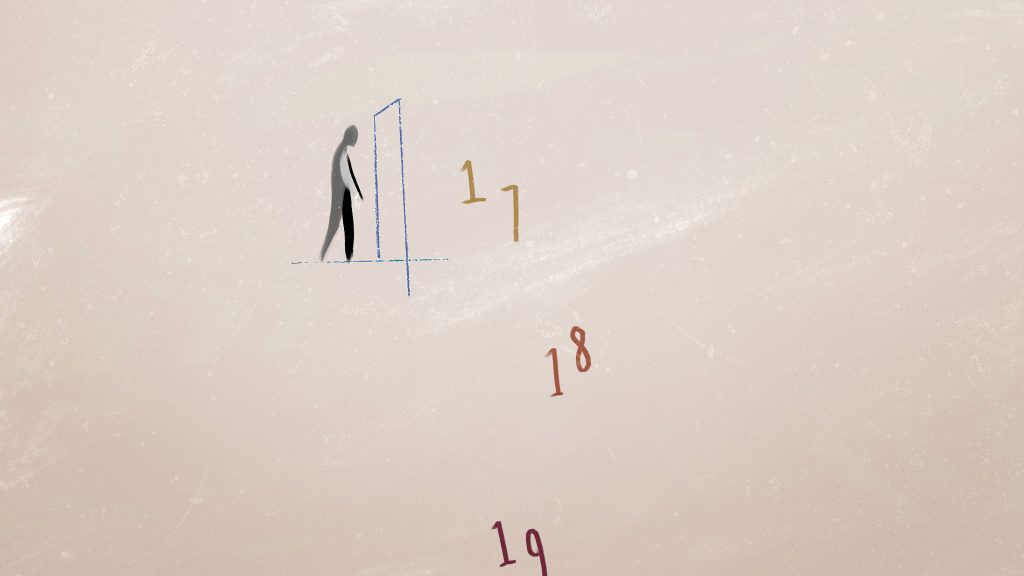
Photo Caption: An early style frame.
We started by building the story arcs together from the interview material, identifying the themes and emotional throughlines that mattered most. From there, we moved through a structured creative development process that included style frames, storyboards, and animatics—all reviewed collaboratively through weekly video meetings.
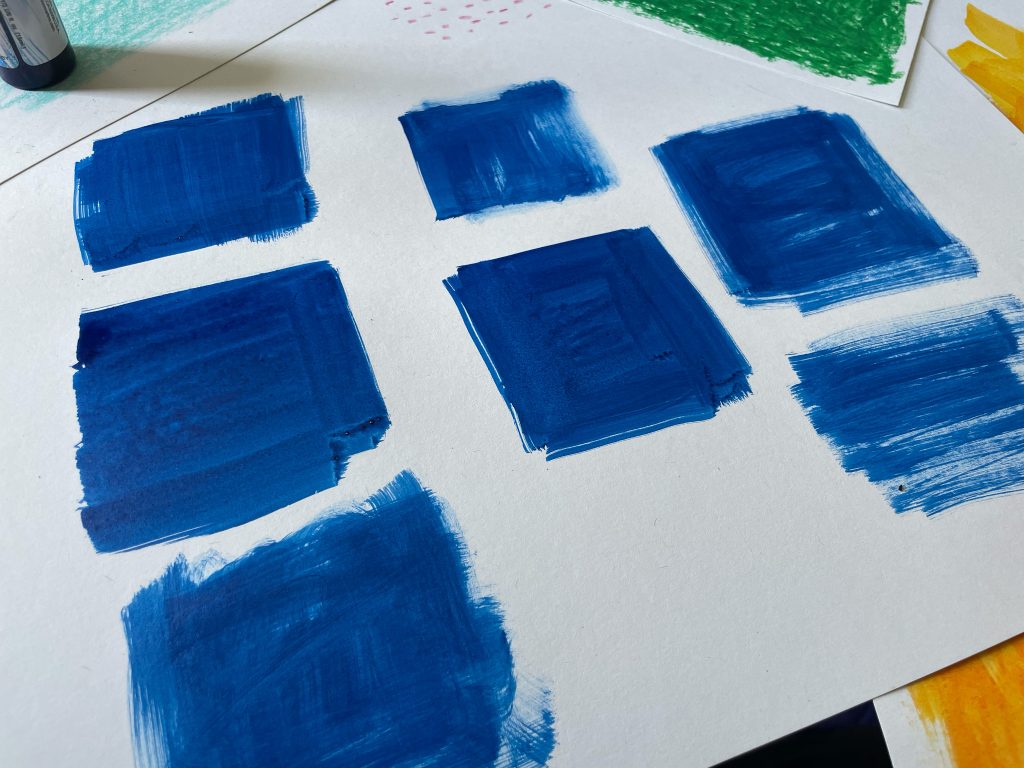
Photo Caption: A hand painted texture was used to get the right feel.
Those regular conversations allowed our animation and post-production teams to respond quickly, refine ideas in real time, and stay aligned around the emotional core of the work.
The process never felt transactional. It felt shared.
And that kind of trust almost always leads to stronger creative work.
The Outcome
The response from both the client and project participants was overwhelmingly positive.
But beyond the feedback, what we’re most proud of is how unified the final films feel. The project successfully blended authentic documentary storytelling with carefully restrained animation and design—creating something emotionally immersive without losing clarity or purpose.
This project reinforced something we believe deeply at Early Light Media:
When clients invite genuine collaboration and trust the creative process, the work becomes more honest, more human, and ultimately more impactful.
Why This Project Matters
At its core, this project wasn’t really about animation.
It was about listening carefully enough to represent people truthfully.
For our team, it was an opportunity to combine documentary storytelling instincts with animation and design in a way that served the emotional reality of the stories—not just the information being communicated.
And for that creative freedom and collaboration, we’re incredibly grateful to FWD.us.
Have a complex story that needs to be told with care?
Let’s talk about the right creative approach. Get in touch